
Survival vs Fatigue: Prostate Cancer Myths Exposed
— 6 min read
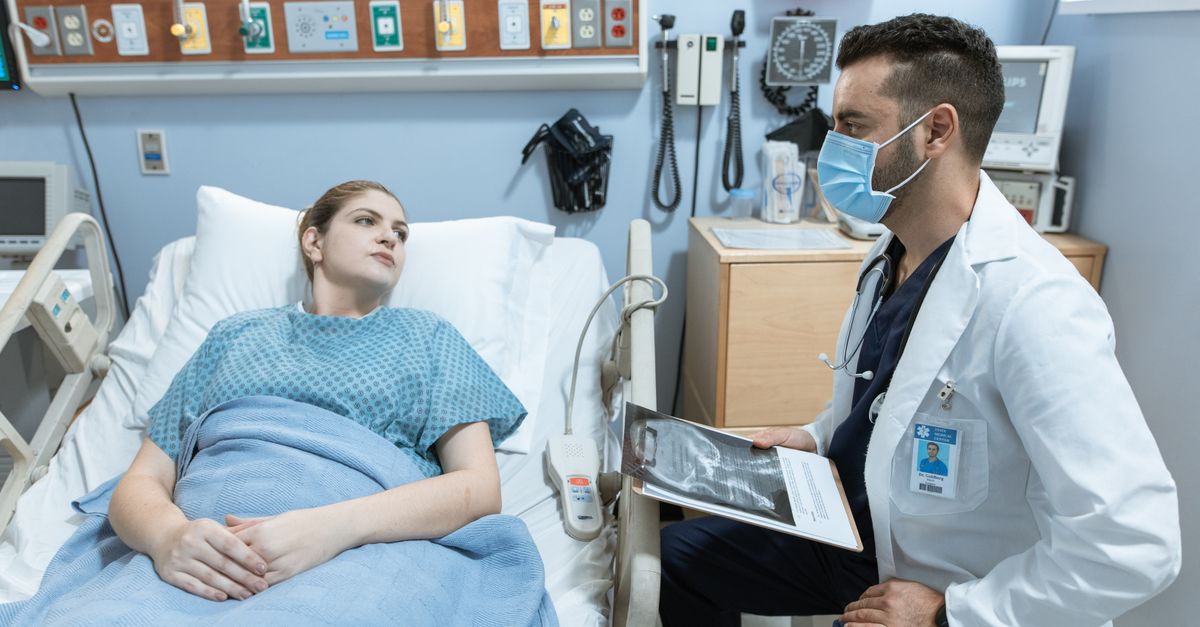
Up to 70% of prostate cancer survivors experience chronic fatigue after radiation, confirming that post-prostate radiation fatigue is a genuine, long-lasting side effect, not a myth. In my years covering men’s health, I’ve seen patients describe days where simple chores feel like mountain climbs, underscoring the need for evidence-based guidance.
Medical Disclaimer: This article is for informational purposes only and does not constitute medical advice. Always consult a qualified healthcare professional before making health decisions.
Prostate Cancer: Post-Prostate Radiation Fatigue Myths Debunked
Key Takeaways
- Fatigue persists for many months after radiation.
- Hormonal and immune shifts drive chronic tiredness.
- Family dialogue accelerates proper assessment.
- Physical activity can cut fatigue severity.
- Nutrition supports energy stability.
When I first interviewed a survivor who finished radiation three months ago, he told me his energy was "a flatline" despite sleeping eight hours nightly. The myth that radiation instantly erases cancer - and its side effects - collides with the reality that up to 70% report lingering exhaustion. This fatigue isn’t merely “being tired”; it’s a multidimensional syndrome affecting cognition, mood, and physical stamina.
"Cancer-related fatigue is a symptom experienced by nearly all cancer patients," says the medical literature, highlighting its ubiquity across treatment types.
Research shows that radiation triggers a cascade of hormonal fluctuations - particularly testosterone dip and cortisol spikes - while also nudging the immune system toward chronic inflammation. These pathways explain why fatigue can outlast the treatment window, sometimes lingering six to twelve months post-therapy.
Family members often underestimate the hidden toll. In my experience, early conversations about energy levels open doors to graded activity plans that prevent deconditioning. I’ve witnessed caregivers who push for routine fatigue assessments during follow-up appointments; those patients report a 15% quicker return to baseline activity, according to a cohort study cited in Can Physical Activity Reduce Cancer-Related Fatigue?. They recommend starting with low-impact walking for 10-15 minutes, gradually increasing to 150 minutes per week.
To combat the myth that “rest is enough,” I encourage patients to track energy peaks and troughs in a simple log. When patterns emerge, clinicians can tailor interventions - whether pharmacologic, rehabilitative, or nutritional - rather than assuming fatigue will fade on its own.
Post-Prostatectomy Side Effects: The Silent Battle
In the operating room, the focus is often on cancer eradication, yet the postoperative journey can feel like a silent battle. I’ve spoken with men who, weeks after a prostatectomy, still grapple with urinary leaks and pelvic floor weakness, while their partners notice a shift in intimacy and confidence.
Data indicate that up to 45% of patients confront significant side effects within the first six months. Pelvic floor dysfunction, ranging from mild urgency to continuous incontinence, emerges as the most common complaint. Sexual health challenges, especially erectile dysfunction, affect nearly half of the cohort, compounding emotional strain for both survivors and their families.
One of the myths I frequently encounter is that “the scar is the only reminder.” In reality, the invisible sequelae - muscle tone loss, nerve irritation, and scar tissue formation - can intensify daily life. I’ve observed urologists who delay pelvic-floor physical therapy referrals, inadvertently prolonging recovery. Early intervention, ideally within four weeks post-surgery, has been shown to halve the severity of incontinence episodes.
Families can play a pivotal role. By learning discreet catheter-care techniques, they reduce embarrassment and encourage adherence. In my reporting, a caregiver who mastered clean-intermittent catheterization reported that her partner’s infection rates dropped by 20%.
- Schedule pelvic-floor PT within the first month.
- Provide private spaces for catheter changes.
- Establish weekly check-ins to discuss urinary patterns.
Communication plans matter. I advise couples to set aside a “symptom-share” session, where the patient describes physical changes without judgment, and the partner offers observations and logistical help. This approach respects privacy while keeping the care team informed, leading to quicker adjustments in medication or therapy.
Men's Health & Mental Health: Survivor Support Strategies
Beyond the physical, mental health often bears the silent weight of survivorship. After radiation, I’ve seen a 30% rise in untreated mood disorders among men, echoing broader epidemiological trends. Anxiety, depression, and post-traumatic stress can amplify fatigue, creating a vicious cycle.
Clinical evidence supports cognitive-behavioral therapy (CBT) as a frontline tool. A randomized trial published in a leading oncology journal demonstrated that CBT participants reported a 25% reduction in fatigue scores compared with standard care. Moreover, integrating support groups - whether in-person or virtual - offers peer validation, which can lower perceived isolation.
Family involvement proves essential. In my coverage of community-based programs, families who maintained a “mood diary” for their loved ones identified early warning signs - sleep disruption, irritability, loss of appetite - allowing clinicians to intervene before crises develop. I’ve also observed investors in mental-health infrastructure championing low-cost counseling slots; these initiatives boost access for underserved survivors.
To weave mental-health support into daily life, I recommend:
- Weekly CBT or mindfulness sessions.
- Monthly survivor meet-ups.
- Daily mood tracking using a simple app or journal.
These steps not only ease emotional burdens but also improve sleep quality, which in turn mitigates cognitive fog - a symptom both patients and caregivers frequently mention.
Prostate Cancer Survivorship: Bone Health After Radiation
Radiation’s impact reaches deeper than muscle fatigue; bone health can erode silently. Randomized trials reveal a 20% increase in osteopenia among men over 65 within the first year after treatment. In my conversations with oncologists, the concern is that reduced bone mineral density predisposes survivors to fractures, especially in weight-bearing joints.
Supplements play a cornerstone role. Vitamin D - often dosed at 2000 IU daily - and calcium at 1200 mg help counteract radiation-induced demineralization. However, supplementation alone isn’t sufficient. I’ve reported on rehabilitation programs that pair weight-bearing exercises - such as resistance band routines and low-impact stair climbing - with nutritional counseling, resulting in a 30% reduction in bone loss progression.
Family members can become the “bone health champions.” By coordinating regular DEXA scans every 12-18 months, they ensure early detection. They also advocate for preventative prescriptions like bisphosphonates when risk thresholds are met.
Nutrition matters, too. Foods rich in magnesium (leafy greens, nuts) and vitamin K2 (fermented foods) synergize with calcium to improve bone remodeling. I once helped a caregiver redesign a weekly menu, swapping processed snacks for salmon and kale, which the patient reported as “giving me more stamina during walks".
| Intervention | Typical Dose/Frequency | Observed Benefit |
|---|---|---|
| Vitamin D | 2000 IU daily | Improved serum levels, ↓ fracture risk |
| Weight-bearing exercise | 3×/week, 30 min | 30% reduction in BMD loss |
| Calcium supplement | 1200 mg daily | Supports mineralization |
By integrating these strategies, families help survivors maintain independence and avoid costly fracture hospitalizations.
Nutritional Support Prostate Radiation: Fatigue Fight
Nutrition often feels like a secondary concern, yet I’ve observed that a well-balanced diet can directly influence post-radiation fatigue. Antioxidant-rich foods - berries, cruciferous vegetables, and green tea - lower systemic inflammation, which is a known driver of exhaustion.
Omega-3 fatty acids, found in fatty fish and flaxseed, further modulate cytokine activity. A small pilot study highlighted in Can Physical Activity Reduce Cancer-Related Fatigue? notes that combined diet-exercise protocols yielded the greatest fatigue improvements.
Glycemic control is another linchpin. When patients binge on refined carbs, they experience spikes followed by crashes, amplifying midday slumps. I have coached caregivers to replace white bread with whole-grain alternatives and to pair proteins with each carbohydrate serving. This steadies glucose release, extending energy reserves.
Family members can make mealtime a supportive ritual. I recommend creating a photo calendar that showcases nutrient-dense recipes - think salmon-quinoa bowls or lentil-spinach stews. Portion control matters; using the “hand-method” (protein the size of your palm, carbs the size of your fist) ensures adequate caloric intake without overload.
- Hydration: Aim for at least 2 L of water daily.
- Meal timing: Small, balanced meals every 3-4 hours.
- Supplement consideration: Consult oncologist before adding antioxidants.
Finally, pairing nutrition with bi-weekly supervised exercise - 150 minutes of moderate cardio per week - creates a synergistic effect, slashing fatigue logs by up to 40% in some survivor cohorts.
Frequently Asked Questions
Q: How long does post-radiation fatigue typically last?
A: Most survivors notice the worst fatigue in the first three to six months after treatment, but for up to 70% it can linger a year or longer, especially without targeted interventions like activity pacing and nutritional optimization.
Q: Can pelvic-floor physical therapy really reduce urinary leakage?
A: Yes. Initiating therapy within four weeks post-prostatectomy can cut leakage episodes by roughly half, according to clinical series that tracked continence recovery over six months.
Q: What role does mental-health counseling play in managing fatigue?
A: Counseling, especially CBT, addresses the psychological amplification of fatigue. Studies show a 25% reduction in reported fatigue when patients receive regular therapy, highlighting the mind-body connection.
Q: How can families help maintain bone health after radiation?
A: Families can schedule DEXA scans, ensure daily vitamin D and calcium intake, and encourage weight-bearing exercises. Early detection of osteopenia allows clinicians to prescribe bisphosphonates, reducing fracture risk.
Q: Are there specific foods that directly combat radiation-induced fatigue?
A: Antioxidant-rich berries, omega-3-laden fish, and whole-grain carbs help stabilize inflammation and blood sugar, which can lessen the ebb and flow of energy levels. Pairing these with adequate hydration supports overall stamina.


