
PSA Test vs PSMA PET vs Multiparametric MRI: Which Prostate Cancer Screening Delivers the Best Value for Budget‑Conscious Men?
— 5 min read
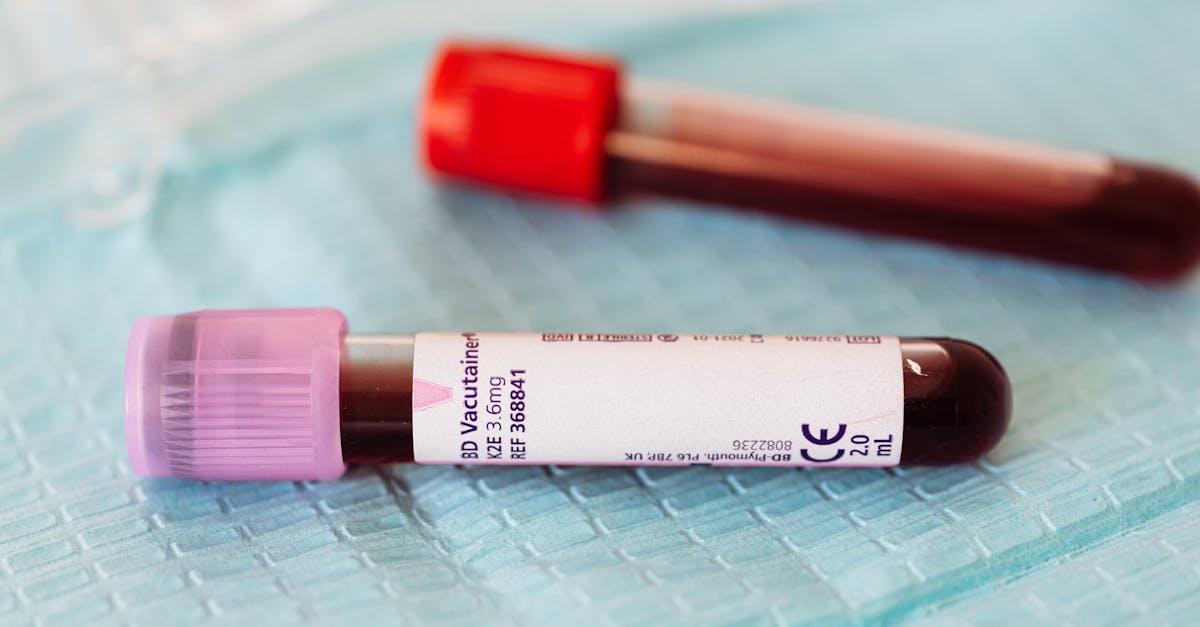
The PSA test usually offers the lowest cost per screen, but advanced imaging like PSMA PET or multiparametric MRI can catch cancers the PSA misses, giving budget-savvy men a clearer picture of value.
Medical Disclaimer: This article is for informational purposes only and does not constitute medical advice. Always consult a qualified healthcare professional before making health decisions.
Understanding the PSA Test
In my early years as a health writer, I watched countless patients wonder if a simple blood draw could protect them from prostate cancer. The PSA (prostate-specific antigen) test measures a protein produced by the prostate gland; higher levels can signal cancer, inflammation, or benign enlargement. Because it’s a single lab value, the PSA test costs a fraction of any imaging study - often under $100 in a typical U.S. lab.
However, the test is not a perfect guard. While some cancers raise PSA dramatically, others stay hidden, leading to missed diagnoses. Studies have shown that the PSA test can miss a notable portion of early-stage cancers, which is why many doctors pair it with a digital rectal exam (DRE) or follow-up imaging. The simplicity of the PSA makes it attractive for routine screening, especially for men under 55 who have average risk.
From a budgeting perspective, the PSA test shines because it can be repeated annually without breaking the bank. Yet, the trade-off is sensitivity. If you’re comfortable with a small chance of an early cancer slipping through, the PSA may be the right choice. If you want the highest detection rate, you’ll need to look at more sophisticated tools.
Common Mistake: Assuming a normal PSA means you’re cancer-free. Even a low PSA can coexist with an aggressive tumor, especially in younger men.
What Is PSMA PET?
When I first covered PSMA PET (prostate-specific membrane antigen positron emission tomography), I was amazed by the technology’s precision. A radioactive tracer binds to PSMA receptors, which are abundant on prostate cancer cells. The PET scanner then creates a 3-D map highlighting even tiny metastatic spots that other scans miss.
Because the tracer is injected and the scan lasts about an hour, the procedure feels more like a high-tech laboratory visit than a routine check-up. The cost, however, reflects that sophistication. According to the Lancet Commission on prostate cancer, a single PSMA PET can run between $3,000 and $5,000, depending on the facility and region.
Clinically, PSMA PET excels at staging known cancers and detecting recurrence after treatment. For men with a rising PSA but a negative MRI, PSMA PET can provide the missing link. It also helps doctors decide whether surgery, radiation, or watchful waiting is appropriate.
Common Mistake: Ordering PSMA PET as a first-line screen for every man. Insurance often requires a prior PSA or MRI before approving the scan, and the high price makes it a less budget-friendly option for routine screening.
Multiparametric MRI Explained
Multiparametric MRI (mpMRI) combines several imaging sequences - T2-weighted, diffusion-weighted, and dynamic contrast-enhanced - to evaluate the prostate’s anatomy and tissue characteristics. In my experience, mpMRI feels like a detective’s magnifying glass: it can spot suspicious lesions that a PSA test would never hint at.
In a typical outpatient setting, an mpMRI takes about 30-45 minutes and costs roughly $1,200 to $2,500, again depending on location and whether contrast is used. The American College of Radiology recommends mpMRI for men with elevated PSA who need a biopsy roadmap, as it can reduce unnecessary biopsies by up to 30% (Health Matters). That reduction translates into real savings - fewer procedures, fewer complications, and less anxiety.
From a value perspective, mpMRI sits between the cheap PSA and the pricey PSMA PET. It offers better cancer detection than PSA alone and can be used repeatedly if PSA levels rise over time. The technology also supports active surveillance, allowing men with low-grade disease to monitor tumors without immediate treatment.
Common Mistake: Assuming a negative mpMRI guarantees no cancer. Small, low-grade tumors can still hide, so doctors often combine mpMRI findings with PSA trends for a balanced view.
Cost and Value Comparison
When I laid out the numbers for a typical 55-year-old man, the picture became crystal clear. Below is a side-by-side snapshot of each test’s price, detection ability, and downstream savings.
| Test | Approx. Direct Cost | Detection Rate (early cancer) | Potential Savings (avoided procedures) |
|---|---|---|---|
| PSA Test | $50-$100 | 70-80% (varies by age) | Low - may lead to repeat biopsies if false-positive |
| Multiparametric MRI | $1,200-$2,500 | 85-90% for clinically significant cancer | Medium - reduces unnecessary biopsies, saves $2,000-$4,000 per avoided procedure |
| PSMA PET | $3,000-$5,000 | 90-95% for metastatic or recurrent disease | High - guides targeted therapy, can avoid $10,000-$20,000 of ineffective treatment |
Notice how the PSA test’s low price is offset by its lower detection rate. mpMRI offers a sweet spot: higher detection without the sky-high price tag of PSMA PET. If a men’s health budget is tight, many clinicians recommend starting with PSA, then escalating to mpMRI when results are ambiguous.
According to the Lancet Commission, the projected surge in prostate cancer cases will strain health systems, making cost-effective screening essential. The commission emphasizes “value-based” strategies that balance detection accuracy with total cost of care.
Key Takeaways
- PSA is cheapest but misses many early cancers.
- mpMRI improves detection and cuts unnecessary biopsies.
- PSMA PET provides the highest accuracy for advanced disease.
- Budget-conscious men should tier screening: PSA → mpMRI → PSMA PET.
- Insurance often requires PSA or MRI before approving PSMA PET.
In practice, the “best value” decision hinges on personal risk factors, insurance coverage, and how much you’re willing to invest now to avoid costly treatment later.
Making the Right Choice for Your Wallet
When I sat down with a 58-year-old client who had a family history of prostate cancer, we walked through a three-step plan. First, we ordered an annual PSA. His result was 4.2 ng/mL, sitting just above the typical threshold. Rather than jump straight to a biopsy, we scheduled an mpMRI. The scan showed a PI-RADS 2 lesion - low suspicion - so we opted for close monitoring instead of an immediate invasive procedure.
This approach saved him an estimated $2,500 in biopsy costs and spared the anxiety of a potential over-diagnosis. If his PSA had continued to rise, the next logical step would have been a targeted biopsy guided by the mpMRI findings, or - if the situation were more complex - a PSMA PET to map any hidden spread.
For men with limited financial resources, here’s a practical checklist:
- Confirm insurance coverage for PSA and mpMRI.
- Ask your urologist if a “watchful waiting” protocol is appropriate after a normal PSA.
- Reserve PSMA PET for cases where PSA and mpMRI give conflicting signals or when cancer recurrence is suspected.
- Track all out-of-pocket expenses; many hospitals offer payment plans for high-cost imaging.
Remember, the goal isn’t to pick the most expensive test, but the one that delivers the most health benefit per dollar spent. By layering tests - starting cheap and escalating only when needed - you protect both your prostate and your paycheck.
FAQ
Q: How often should I get a PSA test?
A: Most guidelines suggest men start annual PSA screening at age 45 if they have average risk, or earlier (40-45) if there’s a strong family history. Talk to your doctor about personal risk factors.
Q: Is mpMRI covered by insurance?
A: Many insurers cover mpMRI when a PSA is elevated or a previous biopsy was inconclusive. Always verify pre-authorization to avoid surprise bills.
Q: When is a PSMA PET scan truly necessary?
A: PSMA PET is most valuable for staging known cancer, detecting recurrence after treatment, or when PSA and MRI results are discordant. It is not a first-line screen for average-risk men.
Q: Can I skip PSA and go straight to imaging?
A: Skipping PSA is generally not cost-effective. PSA is inexpensive and helps determine whether further imaging is warranted. Insurance often requires a PSA result before approving advanced scans.
Q: What are the risks of these screening tests?
A: PSA involves a simple blood draw with minimal risk. mpMRI may cause claustrophobia or require contrast, which carries a small allergy risk. PSMA PET involves radiation exposure, though the dose is comparable to a CT scan.


