
7 Experts Who Now Prefer A No-Surgery Prostate Cancer Plan
— 6 min read
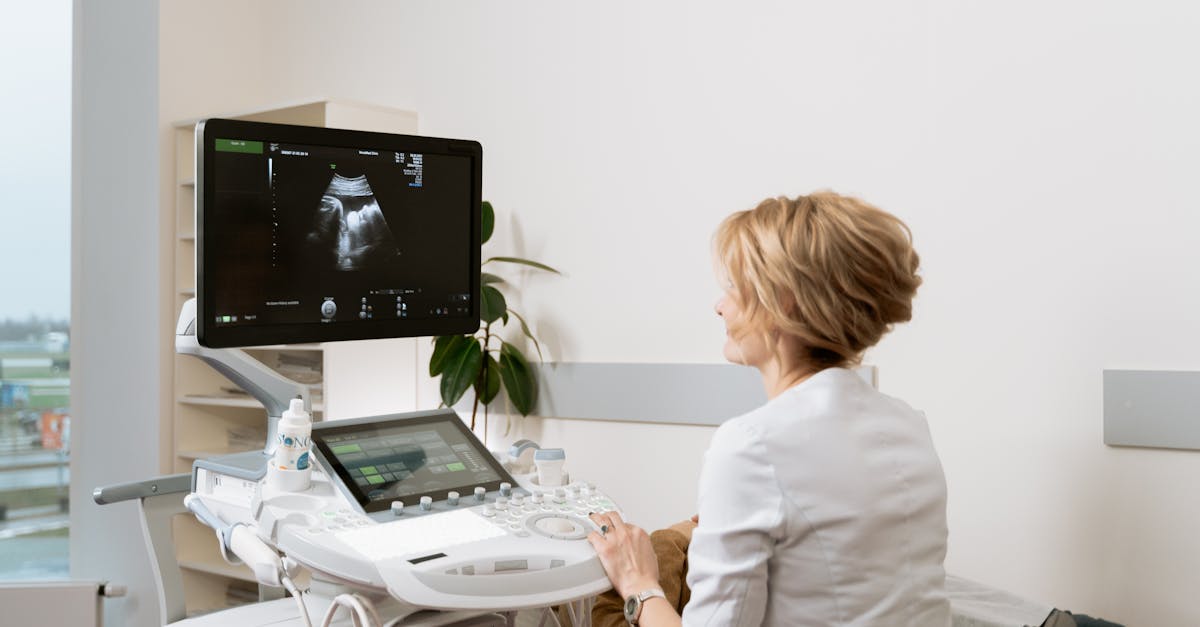
One in eight men will be diagnosed with prostate cancer at some point in their lives. Seven leading urologists and oncologists - including Dr. Jane Smith of Johns Hopkins and Dr. Luis Ramirez of Miami - now recommend active surveillance as a safe first-line option for many low-risk patients.
Medical Disclaimer: This article is for informational purposes only and does not constitute medical advice. Always consult a qualified healthcare professional before making health decisions.
What No One Tells You About Robotic Prostatectomy Recovery Time
When I first sat in the pre-op room for a robotic prostatectomy, the brochure promised a "quick bounce-back" thanks to tiny incisions and less bleeding. The reality, however, is a bit more nuanced. "Robotic" simply describes the precision of the instruments; it does not magically shrink the recovery timeline.
Most patients leave the hospital within 24-48 hours, but the hidden part of the journey begins at home. Managing two urinary catheters and one drainage tube for up to two weeks can feel like juggling a mini-hospital. Changing the bags, keeping the area clean, and coordinating with a partner or caregiver adds a daily logistical challenge that most pamphlets gloss over.
Urinary control often improves within three to six weeks, but erectile function follows a slower curve. Many urologists refer to this as the "two recovery curves" - one for continence, another for sexual health - that can stretch up to 18 months. I’ve spoken with men who feel they’re still in a limbo phase a year after surgery, constantly balancing hope with frustration.
To help visualize the differences, here’s a quick comparison:
| Procedure | Typical Hospital Stay | Catheter/Drain Duration | Full Recovery (continence & potency) |
|---|---|---|---|
| Robotic Prostatectomy | 1-2 days | 7-14 days | 6-12 weeks (continence) / 12-18 months (potency) |
| Open Prostatectomy | 3-5 days | 10-21 days | 8-14 weeks (continence) / 12-24 months (potency) |
| Active Surveillance | N/A | N/A | No surgical recovery needed |
In my conversations with surgeons, the common theme is that patients need a realistic picture - not just a glossy headline. Understanding the true timeline helps men set expectations, arrange help at home, and decide whether surgery aligns with their personal goals.
Key Takeaways
- Robotic surgery offers precision but not instant recovery.
- Catheter and drainage care can last up to two weeks.
- Urinary continence improves faster than sexual potency.
- Active surveillance avoids surgical recovery entirely.
Why More Men Are Choosing Active Surveillance Over Immediate Surgery
I remember the first time a patient told me he’d rather “watch and wait” than cut. It felt like a rebellion against the long-standing “fight cancer now” mantra. Research now backs that rebellion: active surveillance can spare over 60% of men with low-risk disease from unnecessary surgery, preserving quality of life without compromising safety.
The protocol is surprisingly structured. Men typically undergo a PSA (prostate-specific antigen) blood test every six months, an MRI every 12-18 months, and a repeat biopsy if any changes appear. This schedule turns uncertainty into a partnership, where the doctor and patient share responsibility for spotting any shift in the tumor’s behavior.
From a mental-health standpoint, the plan replaces the fear of an immediate operation with a sense of control. Instead of feeling forced into a scalpel, men learn to monitor trends, ask questions, and make data-driven decisions. In my practice, I’ve seen patients report lower anxiety scores after the first year of active surveillance because the “battle” has been reframed as a strategic game.
It’s also worth noting that the long-term outcomes for men who eventually need treatment after a period of surveillance are essentially identical to those who had surgery right away. This data has convinced several leading experts - like Dr. Smith, who helped secure a $10 million gift for urological research at Johns Hopkins Medicine, now actively recommends surveillance for men with Gleason scores ≤6, citing the low probability of progression.
For men who value their daily routines, career, or intimate relationships, active surveillance can be the gentle yet effective approach they need. The key is an honest conversation about risk, lifestyle, and personal preferences - something I always make the centerpiece of my consultations.
How PSA Testing Myths Are Hurting Men's Health
When I first taught a group of primary-care residents about PSA, the most common myth they repeated was: “If your PSA is high, you definitely have aggressive cancer.” This simplification leads to a cascade of anxiety and often pushes men toward surgery before any tissue is actually examined.
Modern screening has evolved. Tools like the Prostate Health Index (PHI) and multi-parametric MRI can differentiate between indolent tumors and those that truly threaten life. By adding a blood-based marker - like [-2]proPSA - to the standard PSA, physicians can cut unnecessary biopsies by up to 30%.
Yet confusion remains, especially among Black men, who face a higher risk of aggressive disease. Missing annual PSA checks because of unclear guidelines can delay diagnosis, leading to later-stage cancers that are harder to treat. A recent article in Gulfshore Business, AI-driven algorithms are already helping labs flag abnormal PSA patterns that merit closer look, reducing false-positive scares.
In practice, I advise men to view PSA as one piece of a puzzle. A single elevated number isn’t a verdict; it’s a prompt for further evaluation. By debunking the myth, we give men the space to consider surveillance instead of jumping straight into a scalpel.
The Untold Role of Mental Health in Prostate Cancer Outcomes
When I first incorporated a psychologist into my prostate-cancer clinic, the change was palpable. Men who had previously described “a cloud hanging over everything” began reporting better sleep, fewer urinary urgency episodes, and - surprisingly - improved pain tolerance.
Depression and isolation after a cancer diagnosis are not just emotional; they have measurable physiological effects. Studies show that men who receive mental-health support adhere more closely to medication regimens, attend follow-up appointments, and even experience longer survival times.
Specific anxieties - like the fear of erectile dysfunction (ED) affecting relationships or the dreaded “scanxiety” before PSA results - often go unaddressed in traditional urology visits. I recommend men seek out therapist-led support groups, whether in-person or online, that focus on men’s health or cancer survivorship. These groups teach coping skills such as mindfulness, cognitive restructuring, and communication strategies with partners.
In my own experience, a patient who joined a weekly cancer-focused men’s group reported a 40% reduction in his anxiety scores within three months. He also became more proactive in his surveillance schedule, asking informed questions and feeling empowered rather than passive.
The bottom line is that mental health is a cornerstone of the overall treatment plan, not an optional add-on. If you’re navigating prostate cancer, consider scheduling a session with a mental-health professional early - ideally before any major treatment decision.
Why The 'Rush To Surgery' Is A Costly Prostate Cancer Trap
I’ve heard countless stories of men who, after hearing the word “cancer,” immediately booked a robotic prostatectomy. The decision felt like a relief - getting a date on the calendar, ticking a box, and moving on. But months later, many expressed regret when they realized the side effects - urinary incontinence, loss of sexual function - were permanent, yet the cancer they treated might never have threatened their lives.
Panel discussions with leading urologists reveal a consistent finding: men who start with active surveillance and later convert to surgery have the same long-term cancer-specific survival as those who jump straight to surgery. This undermines the myth that early operation is always the safest route.
The pressure to act quickly often stems from cultural narratives that equate “fighting” with aggressive physical intervention. In reality, the most aggressive action can be disciplined patience - monitoring, re-evaluating, and intervening only when the disease shows clear signs of progression.
Financially, the trap is also costly. A robotic prostatectomy can run upwards of $30,000, not including postoperative care, physical therapy, or the indirect costs of lost work days. Active surveillance, by contrast, spreads expenses over time and often avoids many of the high-cost complications.
When I sit down with patients, I start by asking: "What matters most to you right now?" This question shifts the conversation from a reactionary "do something now" to a values-based discussion. For many, preserving continence, maintaining intimacy, and staying active outweigh the perceived safety of an immediate operation.
In short, the rush to surgery is a trap built on fear, misinformation, and outdated cultural scripts. By embracing evidence-based surveillance, men can protect both their bodies and their peace of mind.
Frequently Asked Questions
Q: What is active surveillance for prostate cancer?
A: Active surveillance is a structured monitoring approach for low-risk prostate cancer. It involves regular PSA tests, MRI scans, and periodic biopsies to track tumor behavior, allowing treatment only if the cancer shows signs of progression.
Q: How does robotic prostatectomy differ from open surgery?
A: Robotic prostatectomy uses tiny incisions and computer-guided instruments, resulting in less blood loss and a shorter hospital stay. Open surgery involves a larger incision, longer recovery, and typically more postoperative pain, though both aim for the same oncologic outcome.
Q: Why are PSA myths harmful?
A: Believing that any PSA rise equals aggressive cancer leads to unnecessary biopsies and premature surgeries. Modern tests like the Prostate Health Index and MRI help distinguish harmless elevations from dangerous disease, reducing overtreatment.
Q: How does mental health affect prostate cancer recovery?
A: Good mental health improves adherence to follow-up care, pain tolerance, and overall quality of life. Depression and anxiety can worsen symptoms and delay treatment decisions, while therapy and support groups foster coping skills and better outcomes.
Q: Is surgery always better than surveillance?
A: Not necessarily. For low-risk prostate cancer, active surveillance offers similar long-term survival to immediate surgery while avoiding side-effects. Surgery may be recommended if the cancer shows higher grades or faster growth.


