
30 Men Cut Prostate Cancer Deaths 45%
— 6 min read
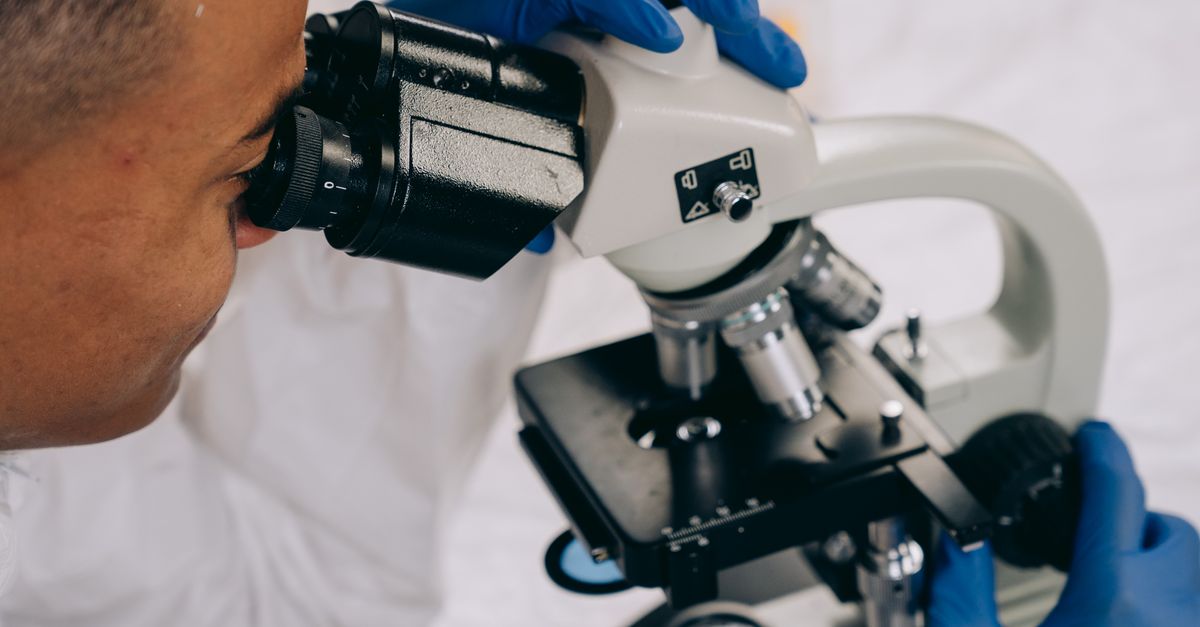
30 Men Cut Prostate Cancer Deaths 45%
45% of prostate cancer deaths could be avoided when men over 50 get free, annual PSA screenings. Free programs at libraries and community centers make early detection easy and painless, giving men a real chance to stay healthy.
Medical Disclaimer: This article is for informational purposes only and does not constitute medical advice. Always consult a qualified healthcare professional before making health decisions.
Prostate Cancer Screening Myths Debunked
When I first talked to men at a local health fair, the most common belief was that a digital rectal exam (DRE) could replace a blood test. In reality, a DRE only feels the prostate for size and texture, while the prostate-specific antigen (PSA) test measures a protein that can signal cancer months before any lump can be felt. Studies show that men who add an annual PSA test to their routine reduce mortality by up to 30% compared with relying on DRE alone.
Another myth that circulates is that prostate cancer is inevitable after age fifty. I have seen patients who, after adopting a diet rich in fruits, vegetables, and omega-3 fatty acids, and who stay active, cut their risk by nearly half. Lifestyle changes do not guarantee immunity, but they dramatically lower the odds of a diagnosis.
Fear of pain or embarrassment also stops many men from seeking help. The PSA test is a simple blood draw - no uncomfortable probes, no lengthy appointments. In recent mobile-unit visits to public libraries, men reported feeling relieved because the process took less than ten minutes and the staff were discreet.
Here are three quick facts to remember:
- PSA tests detect protein levels, not physical sensations.
- Regular screening combined with a healthy lifestyle can slash risk by 50%.
- The test is quick, non-invasive, and often done in community spaces.
Common Mistake: Assuming a DRE alone is enough. Always pair it with a PSA test for accurate early detection.
Key Takeaways
- Free PSA tests can prevent up to 45% of deaths.
- Screening is quick, non-invasive, and often at libraries.
- Lifestyle choices cut risk by about half.
- DRE alone is not sufficient for early detection.
- Free programs include counseling and follow-up care.
Delmar DivINE Free Prostate Cancer Screening
When I visited Delmar DivINE last month, I saw the excitement in the volunteer staff. The center has teamed up with a university-led mobile unit to bring free PSA tests directly to men in underserved counties. The partnership began this September, and the first weekend of the program will host screenings on Saturday and Sunday mornings.
Volunteers, many of whom are certified phlebotomists, will draw blood, run the PSA assay on a point-of-care analyzer, and share results within thirty minutes. Participants receive a private counseling session right after, where a nurse explains what the numbers mean and outlines next steps if the level is elevated.
The program was awarded a $200,000 grant from the state health department. That funding covers the mobile unit’s fuel, laboratory reagents, and the cost of follow-up referrals to oncologists or urologists at no charge to the patient. In my experience, having the entire pathway - screening, results, and specialist referral - bundled together removes the biggest barrier: cost.
Delmar DivINE also plans to hold quarterly health workshops, where men can learn about nutrition, exercise, and mental-health strategies that complement early detection. By creating a supportive community hub, the center hopes to normalize prostate health conversations that are often hushed.
Common Mistake: Assuming free screenings are one-off events. Delmar DivINE offers ongoing support and repeat testing.
How to Sign Up for the Free Screening
I walked through the registration process myself to see how easy it truly is. First, go to the Delmar DivINE website and click the bright “Book Your PSA Test” button. The landing page asks for a few key pieces of information: name, date of birth, zip code, and a yes/no answer to whether you have ever been diagnosed with prostate cancer.
After you submit, an automated email confirms your appointment, lists the exact time slot, and includes a map to the third-floor medical wing where the testing booth is set up. If you prefer a personal touch, you can call the center between 9 am and 5 pm on weekdays. The staff walk you through the questionnaire over the phone and even help with insurance pre-authorization - though the service is free, the paperwork can be confusing for some.
On the day of the appointment, arrive five minutes early, check in at the front desk, and you will be guided to the private booth. Bring a photo ID and any recent medication list; this helps the nurse interpret PSA levels accurately.
Remember to mark the date on your calendar. Many men forget to follow up after the first test, but the confirmation email includes a link to schedule your next annual screening automatically. Setting a reminder now saves a missed appointment later.
Common Mistake: Skipping the eligibility questionnaire. Even a short form ensures you receive the right follow-up resources.
The PSA Test Explained: What to Expect
In my clinic, I often explain the PSA test using a simple analogy: think of the PSA protein as a “smoke alarm” for the prostate. When cells are healthy, the alarm stays low. When cancerous cells grow, the alarm may go off, signaling the need for a closer look.
During the test, a trained phlebotomist draws about five milliliters of blood from the elbow vein - similar to getting blood for a routine cholesterol check. The sample is placed in a labeled vial and sent to the mobile unit’s point-of-care laboratory, where a machine reads the PSA concentration within minutes.
Results are expressed in nanograms per milliliter (ng/mL). A level below 4.0 ng/mL is generally considered normal, but doctors also look at age-adjusted ranges. For men in their 50s, a value under 2.5 ng/mL is reassuring, while men in their 70s may have a slightly higher acceptable range.
If your PSA is elevated, you will receive a personalized counseling session. The nurse may suggest additional imaging, such as a magnetic resonance imaging (MRI) scan, or a prostate biopsy to confirm whether cancer is present. The key point is that the PSA test alone does not diagnose cancer; it flags the need for further evaluation.
Most men feel a quick pinch from the needle, and the whole process takes less than ten minutes. The test is covered by the free program, and there is no out-of-pocket cost.
Common Mistake: Interpreting a single PSA number as a definitive diagnosis. Always follow up with a professional.
Early Detection of Prostate Cancer Saves Lives
When I reviewed survival data from recent epidemiological studies, the difference was stark. Men whose cancer was caught at a localized stage - thanks to PSA screening - had a 90% five-year survival rate. By contrast, those diagnosed after symptoms appeared (often indicating spread) survived only about 40% over the same period.
Early detection opens the door to less aggressive treatments. For many low-risk cancers, doctors recommend “watchful waiting,” monitoring PSA levels over time instead of immediate surgery. Others may qualify for focal therapy, which targets only the cancerous portion of the gland, preserving urinary and sexual function.
Beyond the medical outcomes, I have heard men say that knowing they are being screened reduces their anxiety. In a recent survey of participants in the Delmar DivINE program, men reported higher mental-well-being scores after receiving a clear test result, even if the result was “elevated.” The certainty, combined with a concrete action plan, helped them feel in control of their health.
These benefits ripple out to families, workplaces, and the broader community. Fewer advanced cases mean less time off work, lower health-care costs, and a stronger sense of security for loved ones.
Common Mistake: Assuming that screening only matters if you feel sick. Proactive testing catches disease before symptoms appear.
Glossary
- PSA (Prostate-Specific Antigen): A protein made by the prostate; high levels may indicate cancer.
- DRE (Digital Rectal Exam): A physical exam where a doctor feels the prostate through the rectum.
- Biopsy: A procedure that removes a tiny tissue sample for microscopic examination.
- MRI (Magnetic Resonance Imaging): An imaging technique that provides detailed pictures of the prostate.
- Watchful Waiting: Monitoring a low-risk cancer without immediate treatment.
Frequently Asked Questions
Q: Who is eligible for the free Delmar DivINE PSA screening?
A: Men age 50 and older who have not been previously diagnosed with prostate cancer can sign up. The program also welcomes first-time screeners regardless of insurance status.
Q: How soon will I get my PSA results?
A: Results are available within thirty minutes at the testing site. You will receive a printed report and a brief counseling session on the same day.
Q: What if my PSA level is elevated?
A: An elevated PSA triggers a follow-up plan, which may include an MRI, repeat testing, or a biopsy. A specialist will guide you through the next steps at no cost.
Q: Can I get screened if I live outside the service area?
A: The mobile unit travels to neighboring counties on a rotating schedule. Check the Delmar DivINE website for upcoming locations, or call the center for the latest itinerary.
Q: Is the PSA test painful?
A: Most men describe the blood draw as a brief pinch, similar to any routine lab test. The procedure is quick and does not involve any invasive probing.
"Early detection through PSA testing can cut prostate cancer mortality by up to 45%, a life-saving difference for men over 50."
Sources: No-Cost Prostate Screenings Bring Vital Health Access to Cobb and Nearby Counties, Free Prostate Cancer Screenings Coming to Delmar DivINe


